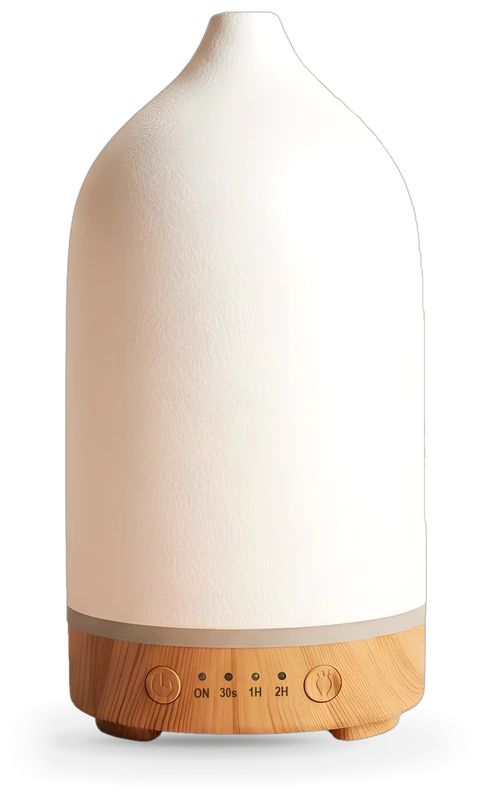

Cats are the real constraint. The ASPCA names citrus, pine, ylang ylang, peppermint, cinnamon, clove, eucalyptus, tea tree, wintergreen, sweet birch and pennyroyal as oils known to cause poisoning in cats. An ultrasonic diffuser puts actual droplets in the air, which is why it is treated differently from a reed diffuser.
Every guide in this section
-
 Are essential oil diffusers bad for you?Do ultrasonic diffusers and humidifiers harm indoor air quality?→
 -
 Can a diffuser cause mold in a room?Does running a diffuser or a mist humidifier put enough water in the air to grow mold?→
 -
 Can a sleep mask cause dry eyes or a stye?Does wearing a sleep mask dry out your eyes or give you styes, and what actually causes each one?→
 -
 Diffusing around babies and in pregnancyWhich notes should not be diffused near an infant or during pregnancy, and where does the evidence actually stop?→
 -
 Essential oils and catsWhich essential oils are safe to diffuse around a cat, and which are not?→
 -
 Essential oils and dogsAre essential oils and diffusers safe around dogs?→
Questions people ask next
Which essential oils are toxic to cats?
The ASPCA names oil of wintergreen, oil of sweet birch, citrus oil (d-limonene), pine oils, ylang ylang, peppermint, cinnamon, pennyroyal, clove, eucalyptus and tea tree as oils known to cause poisoning in cats. Twelve of the notes people commonly diffuse fall on that list, and we name them rather than hide them.
Is an ultrasonic diffuser safe around cats?
It is the riskier of the two kinds. Ultrasonic and nebulizing diffusers emit real microdroplets of oil, not just scent, so oil lands on surfaces and fur. A short run in a ventilated room the cat can leave is the ASPCA's own framing of acceptable use; a closed room is not.
Is a reed diffuser or a tealight warmer safer for pets?
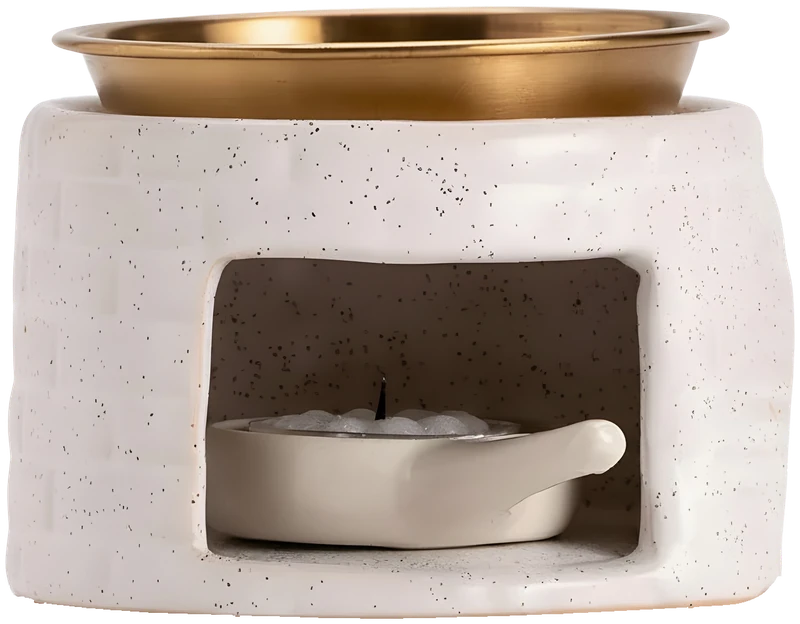
For inhalation, yes — passive diffusers release no droplets, so the main hazard is respiratory irritation. They introduce a different hazard instead: an open flame, and a dish of oil a curious animal can reach.
Can I diffuse around a baby?
Not in a nursery, and not unattended. The guidance is unsettled and the trials are small, so we will not give you a confident yes. Undiluted oil should never touch a child's skin.
What do I do if my pet is exposed?
Move the animal to fresh air, do not try to wash it with anything oily, and call your vet or the ASPCA Animal Poison Control Center on (888) 426-4435. Signs to watch for are drooling, vomiting, wobbliness, watery eyes or nose, and difficulty breathing.
Can I leave a tealight warmer burning overnight?
No. It is an open flame with the same rules as any candle: never in an empty room, never in a room where you are asleep, always on a flat heat-proof surface with nothing above it.
Where these numbers come from
- ASPCA Animal Poison Control — oils known to cause poisoning in cats; passive versus active diffuser distinction; APCC hotline (888) 426-4435
- ASPCA, The Essentials of Essential Oils Around Pets — effects of significant exposure: gastrointestinal upset, central nervous system depression, liver damage
- Texas A&M School of Veterinary Medicine, Pet Talk — essential oil diffusers and cats
- Pet Poison Helpline — updates on essential oils and cats
- Common household single notes; twelve of them appear on the ASPCA list, counted note by note