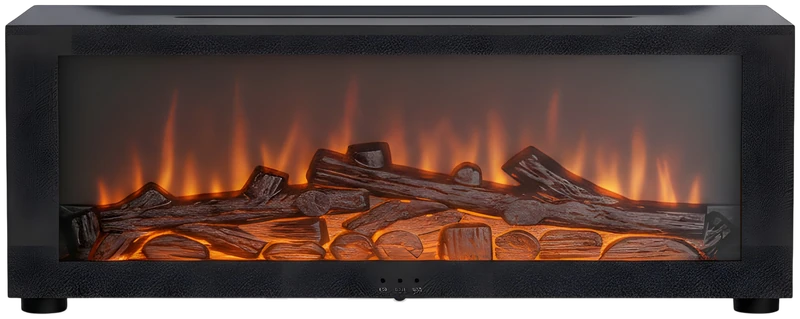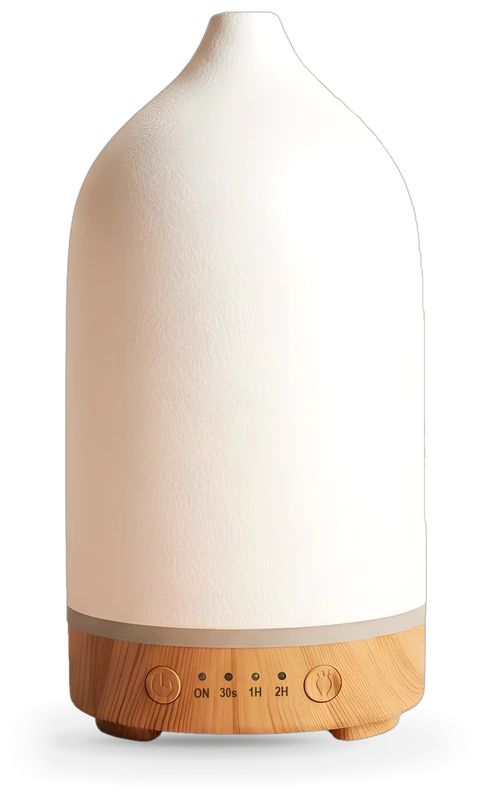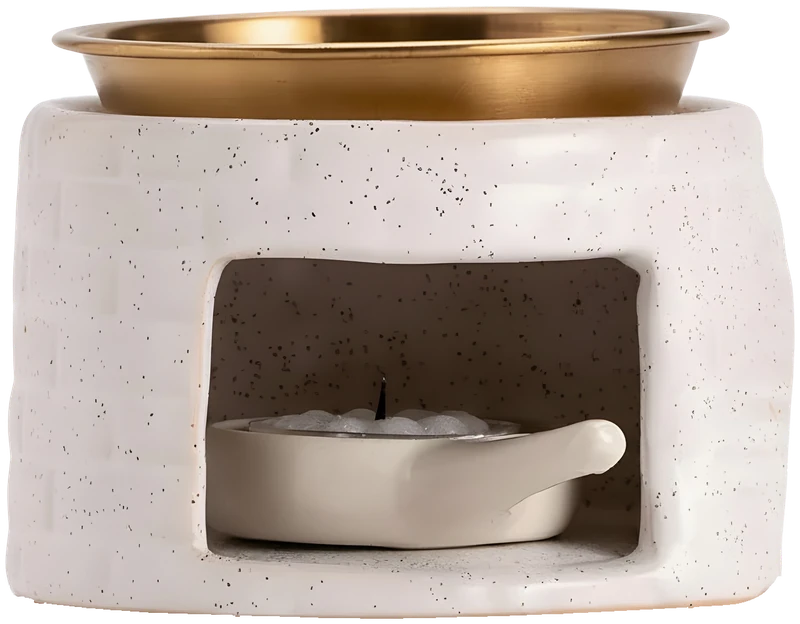

Not on its own, and not from the oil. Mold needs surfaces that stay damp, so the question is whether the device keeps the room above about 60 percent humidity. A ventilated, dry room does not get there. A full tank in a closed room already near 50 percent can, and so can a tank you never empty.
Questions people ask next
Can an essential oil diffuser cause mold in a room?
On a 1- or 2-hour timer, no diffuser puts enough water in the air to matter. A full tank run dry over six hours in a closed bedroom is a 10 to 13 point rise in relative humidity. Mold needs the room to stay above roughly 60 percent, so the risk comes from nightly full-tank runs behind a closed door, and from rooms that already sit near 60 percent before you switch anything on.
What humidity level causes mold?
The EPA advises keeping indoor relative humidity below 60 percent, and ideally between 30 and 50 percent. Damp materials should be dried within 48 hours. Mold needs surfaces that stay damp, not a one-off spike.
Does a diffuser increase humidity?
Yes, in proportion to how much water it evaporates. In a 130 sq ft bedroom with ordinary air exchange, a 150 ml tank over six hours raises relative humidity by about 10 points and a 200 ml tank by about 13. In a sealed room with no air exchange those figures rise to 29 and 39 points.
Can mold grow inside a diffuser?
Yes, and this is the better-documented risk. Water standing in a tank grows biofilm, and an ultrasonic device aerosolizes whatever is in the tank. Empty it after every use, wipe it dry, and use distilled water.
Should I run a diffuser all night?
Not a mist humidifier in a closed room, no. Scent saturates a room in under half an hour and the nose stops registering it, so a two-hour timer gets you the whole benefit at a fraction of the water. In dry winter air, an overnight run is a reasonable choice — that is the case where added humidity is the point.
How do I know if my room is too humid?
Buy a hygrometer; it costs about ten dollars and replaces every guess on this page. Before that, the earliest free signal is condensation on the inside of the windows in the morning, followed by a damp smell in the corners where air moves least.
Where these numbers come from
- US EPA, A Brief Guide to Mold, Moisture and Your Home — keep indoor relative humidity below 60 %, ideally 30–50 %; dry damp materials within 48 hours
- US EPA, Mold Course Chapter 2 — moisture control as the key to mold control
- US EPA, Use and Care of Home Humidifiers — emptying tanks, standing water, use of distilled water
- CDC, Preventing Waterborne Germs at Home — germs live in humidifiers and spread through the mist; empty and clean tanks daily, use distilled or boiled-and-cooled water
- Saturation humidity at 20 °C (~17.3 g/m³) via the Magnus formula; room figures our own arithmetic for a 30 m³ room at 0.5 air changes per hour, stated as an estimate rather than a measurement