Oil warmer or diffuser: flame or switch

What is the difference between a tealight oil warmer and an electric diffuser?

Last reviewed

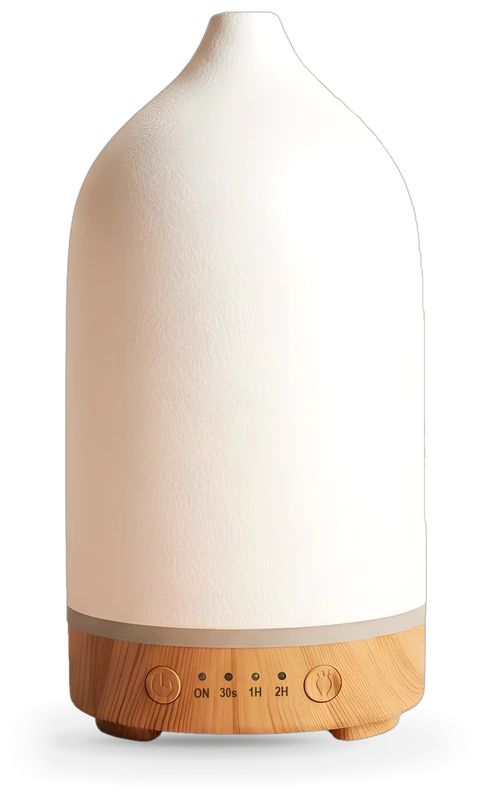
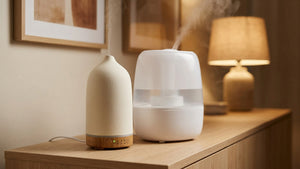
Ceramic oil warmer with a lit tealight beside a cream wood-grain essential oil diffuser on an oak side table

A warmer heats oil over a tealight and makes no sound; a diffuser breaks it into cold mist and needs an outlet. Heat rounds a scent and softens its top notes, cold mist keeps it closer to the bottle. The warmer is cheaper to start with and carries an open flame.

The scent is different, and that is the whole comparison

This is the part that gets left out of comparison tables, and it is the only difference you will actually notice in the room. Heat changes a scent: the light, sharp top notes come off first and fade fastest, and what stays is rounder and heavier. Cold ultrasonic mist does not do that — it carries the oil as it is, so the room smells closer to what the bottle smells like.

Neither is better. Citrus and herbal notes stay brighter in a diffuser; wood, resin and vanilla often read better warmed. With single notes at 10 ml you can test that for a few dollars rather than take our word for it.

What each one asks of you

  • Power — the warmer needs none, only a tealight. The diffuser needs an outlet.
  • Sound — the warmer is silent. The diffuser has a quiet disc and fan.
  • Water — a little in the dish, against a 200 ml tank.
  • Attention — an open flame that is never left unattended, against a tank to empty and wipe after use.
  • Price — $29 against $54.

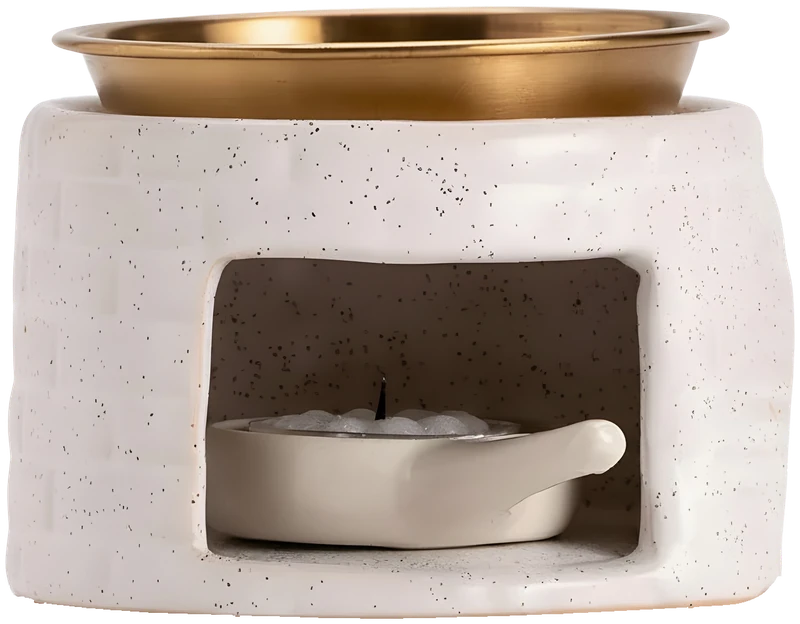
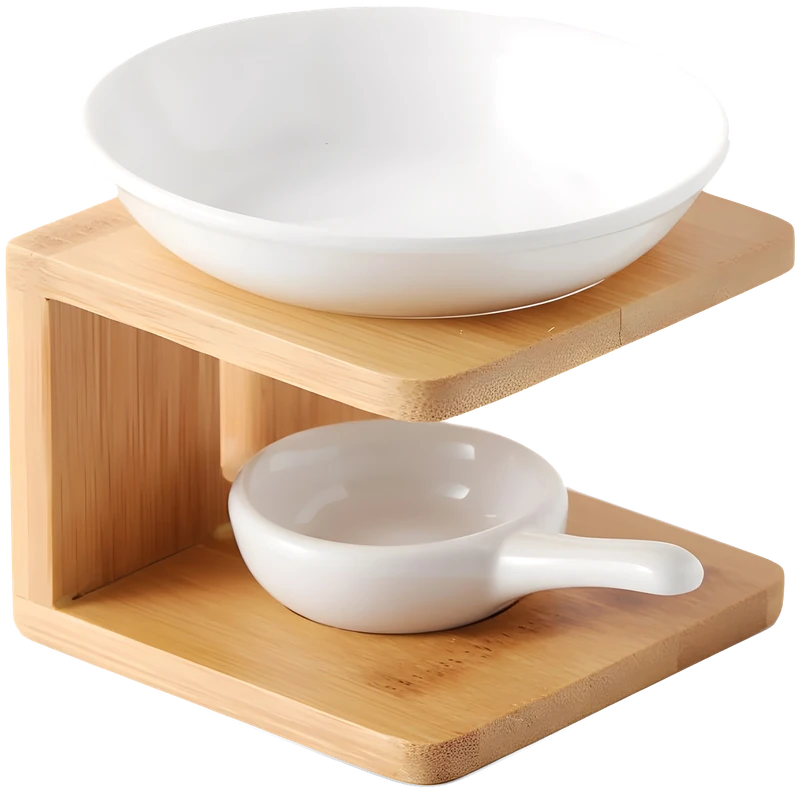
The Ceramic Oil Warmer is a ceramic body with a dry-burn dish and a tray. The Wooden Oil Warmer puts two lift-out porcelain bowls in a wooden frame and measures 9.5 × 6 cm. Tealights are not included with either warmer. The bowl coming out matters more than it sounds: it is the difference between wiping a dish and cleaning inside a lamp.

Safety is the real trade-off, not convenience

A warmer is a candle. That means a flat heat-proof surface, nothing above it, nothing flammable near it, never left burning in an empty room, and never in a room you intend to sleep in. Keep water in the dish — oil alone scorches the ceramic and smokes.

A diffuser has no flame, and its risks are different and smaller: standing water going stale in the tank, and — if you have animals — real droplets of oil in the air. Both cases are covered in the safety guide.

Non-electric is not the same as low-risk. It is a different risk, and it is the one that burns houses down rather than the one that upsets a cat.

Which to buy first

If you own nothing and are not sure you even like a scented room: the warmer. There is nothing to set up, nothing to plug in and nothing to learn, and if the answer turns out to be no, you have not spent much finding out. The Starter set is that warmer paired with a sleep mask, for less than the two bought separately.

If you already know you want scent in a bedroom most nights: the diffuser. No flame means you can leave it running while you read, the timer shuts it off, and a 200 ml tank goes several evenings between refills.

If you were considering a candle-warmer lamp — the electric kind that melts a shop-bought candle — that is a different object with a different job. Ours warms oil over a flame.

Read next

Questions people ask next

What is the difference between an oil warmer and a diffuser?

A warmer heats oil over a tealight; a diffuser breaks it into a cold ultrasonic mist. Heat rounds a scent and burns off the top notes faster, cold mist keeps it closer to the bottle. The warmer needs no power and carries an open flame.

Does a warmer make the scent stronger?

Different rather than stronger. Warmed oil reads heavier and rounder, and it fills a small room quickly and a large one poorly. A diffuser carries further because the mist moves.

Do I put water in an oil warmer?

Yes. Water in the dish with two or three drops of oil. Oil alone will overheat, scorch the ceramic and smoke.

Can I leave an oil warmer burning overnight?

No. It is an open flame with the same rules as any candle: never in an empty room, never in a room where you are asleep, always on a flat heat-proof surface.

Which is cheaper to run?

The warmer, on the device — $29 against $54 — but it needs tealights. The oil cost is the same for both, since three to five drops in a diffuser and two or three in a warmer are close enough not to matter.

Can I use the same oils in both?

Yes — these take plain essential oil, and there are no cartridges.

Where these numbers come from

  • Weralis catalogue — ceramic body, dry-burn dish and tray on the Ceramic Oil Warmer; wooden frame, two lift-out porcelain bowls, 9.5 × 6 cm on the Wooden Oil Warmer; tealights not included with either; 200 ml tank on the Wood-Grain Diffuser
  • ASPCA Animal Poison Control — passive diffusers release no droplets of oil, active ultrasonic ones do
How we research and check these numbers