How to clean an ultrasonic diffuser, and how often

How often should an ultrasonic diffuser be cleaned, and what should be used to clean it?

Last reviewed

Cream wood-grain essential oil diffuser switched off on a folded white towel with a cleaning cloth

Empty the tank, wipe every surface dry and refill fresh each day you use it. Deep-clean every third day: scrub off the film and the scale, then dry it. Where the maker gives no cleaning instruction, the EPA's default is a 3 percent hydrogen peroxide solution, rinsed thoroughly afterwards. That is the whole schedule.

Why this is not optional maintenance

An ultrasonic diffuser works by vibrating water into mist, and it is completely indiscriminate about what it lifts. The EPA puts it plainly: ultrasonic and impeller humidifiers disperse materials, including microorganisms and minerals, from their tanks into indoor air, and microorganisms grow readily in tanks holding standing water. Breathing that mist has been implicated in a type of lung inflammation.

So a dirty diffuser is not a smell problem or an appliance-lifespan problem. It is an air-quality problem with a five-minute fix.

The schedule, straight from the EPA

Every day you use it

  1. Unplug it first. Every time.
  2. Empty the tank — do not top it up.
  3. Wipe every surface dry, including the lid and the inside of the tank.
  4. Refill with fresh water only at the moment of use.

Every third day

  1. Unplug.
  2. Empty, and scrub the tank with a brush or scrubber.
  3. Remove any scale, deposit or film from the sides and interior surfaces — that slippery feel is biofilm, and it is exactly what the mist would otherwise carry.
  4. Wipe all surfaces dry.

Cleaning agent: follow whatever the maker specifies. Where there is no instruction, the EPA's default is a 3 percent hydrogen peroxide solution on every surface that meets water. Whatever you use, rinse with several changes of water afterwards — chemical residue in the tank goes into the air on the next run, and that is a self-inflicted problem.

Between deep cleans, leave the lid off so the inside dries out. A closed damp tank is the whole problem in miniature.

The five-minute version, in practice

Practically, on our 200 ml unit:

  1. Wipe the ultrasonic disc last, and gently. It is the small metal plate in the bottom of the well. A cotton swab is the right tool; a fingernail or an abrasive pad is not. A scaled or oily disc is the most common cause of a diffuser that runs but produces weak mist.
  2. Oil residue needs something more than water. A drop of dish soap on a cloth, then rinse well. Oils leave a film that plain rinsing slides straight over.
  3. Scale needs acid, not disinfectant. White vinegar dissolves mineral deposits — that is a chemistry job, not a hygiene one, and it is a useful addition to the EPA's peroxide rather than a substitute for it. Rinse thoroughly either way.
  4. Dry the air outlet. Water sitting in the mist channel is where a musty smell starts.

The change that halves all of this

Use distilled water. Low-mineral water is the EPA's own recommendation, and it removes most of what forms scale in the first place — nothing to build up, less to scrub, and far less mineral aerosol going into the room. It costs about a dollar a bottle and it is the single most effective line on this page. The measured case for it is in are diffusers bad for you.

Symptoms and what they usually mean

What you see · Usual cause

  • Runs, but weak or no mist — Scale or oil film on the ultrasonic disc
  • Musty or sour smell — Biofilm in the tank, or water left in the mist channel
  • Scent much weaker than it was — Oil film on the disc, or an oxidized bottle — see shelf life by note
  • White dust on nearby surfaces — Minerals from tap water. Switch to distilled
  • Cuts out early — Sensor obscured by scale, or water below minimum

What this applies to, and what escapes it

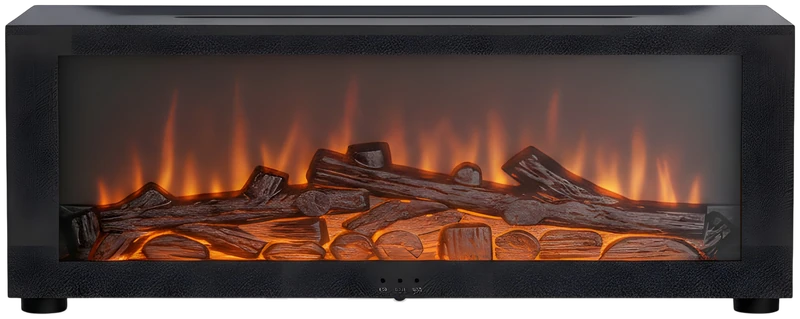
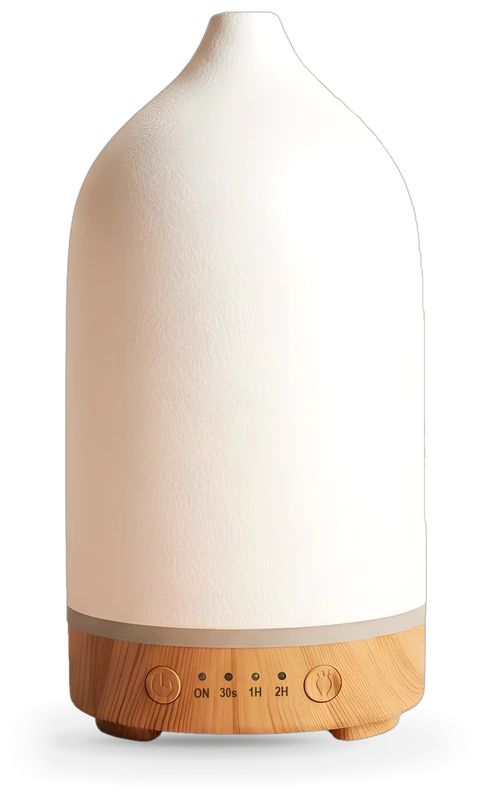
Everything above applies to the Wood-Grain Aroma Diffuser at 200 ml and the Flame Mist Humidifier Diffuser at 150 ml. Both are ultrasonic; there is no version of this device that opts out of the cleaning schedule.

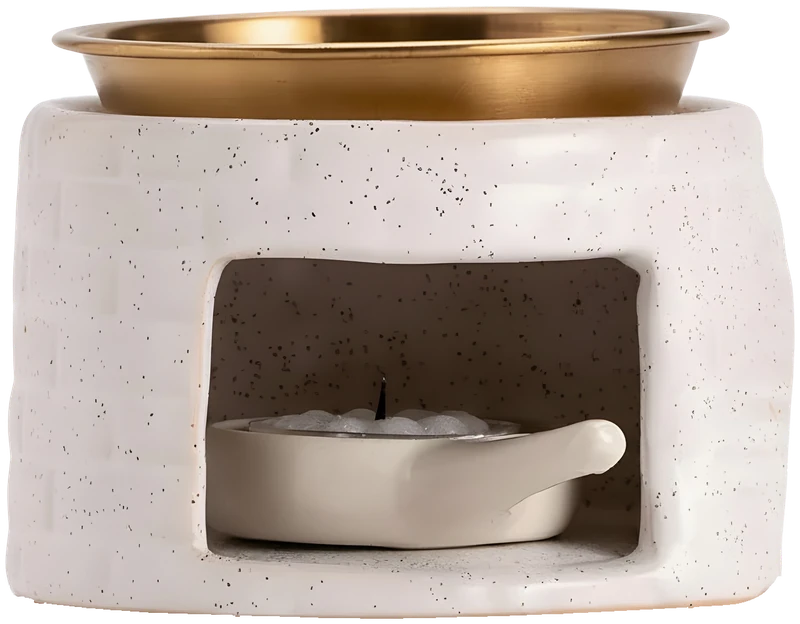
The ceramic and wooden warmers do opt out — there is no tank, no mist and no biofilm, because they heat oil directly over a tealight. Their maintenance is wiping the dish while the last of the oil is still warm. They trade the cleaning schedule for an open flame, which is covered in what is safe to run at home.

If the worry is damp in the room rather than in the machine, that is a separate calculation and it has its own page: can a diffuser cause mold.

Read next

Questions people ask next

How often should I clean my ultrasonic diffuser?

The EPA's guidance for portable ultrasonic units is to empty the tank, wipe all surfaces dry and refill daily, and to deep-clean every third day by scrubbing off any scale, deposit or film. Emptying it after every use is the habit that matters most, because standing water in a warm tank is where microorganisms grow.

What should I use to clean a diffuser?

Follow the manufacturer's instructions where they exist. Where they do not, the EPA's default is a 3 percent hydrogen peroxide solution on every surface that touches water, followed by several rinses so no residue is left to go into the air. White vinegar is the right tool for mineral scale specifically, since that is an acid job rather than a disinfection one.

Can I use vinegar to clean my diffuser?

Yes, for scale. Vinegar dissolves mineral deposits, which is what causes weak mist and white dust. It is a descaler rather than a disinfectant, so use it alongside the routine above and rinse the tank thoroughly afterwards.

Why is my diffuser not misting?

Most often the ultrasonic disc — the small metal plate in the bottom of the well — is coated with scale or oil film. Wipe it gently with a cotton bud; never use an abrasive pad. Other causes are water below the minimum line, and a sensor obscured by deposits.

Why does my diffuser smell musty?

Biofilm in the tank, or water left standing in the mist channel. Empty and dry the unit after each use, leave the lid off between uses so the inside dries, and do the every-third-day scrub. If the smell survives that, the water channel is still holding water.

Does using distilled water reduce cleaning?

Considerably. The EPA recommends low-mineral water because it prevents scale build-up and reduces the dispersal of minerals into the air. Less scale means less to scrub, a disc that stays clean, and no white dust on the furniture.

Where these numbers come from

  • US EPA, Use and Care of Home Humidifiers — empty and dry the tank and refill daily; clean portable units every third day; remove scale, deposits and film; use a 3 % hydrogen peroxide solution where the manufacturer gives no instruction; rinse thoroughly; use low-mineral water; ultrasonic and impeller units disperse microorganisms and minerals from their tanks, and breathing that mist has been implicated in a type of lung inflammation
  • CDC, Preventing Waterborne Germs at Home — empty and clean humidifier tanks daily, use distilled or boiled-and-cooled water
  • Tank volumes taken from our own catalogue listings, 2026-08-15
How we research and check these numbers